BOSTON SCIENTIFIC, 2024-2026
Hemostasis Valve Assembly Design
WHAT
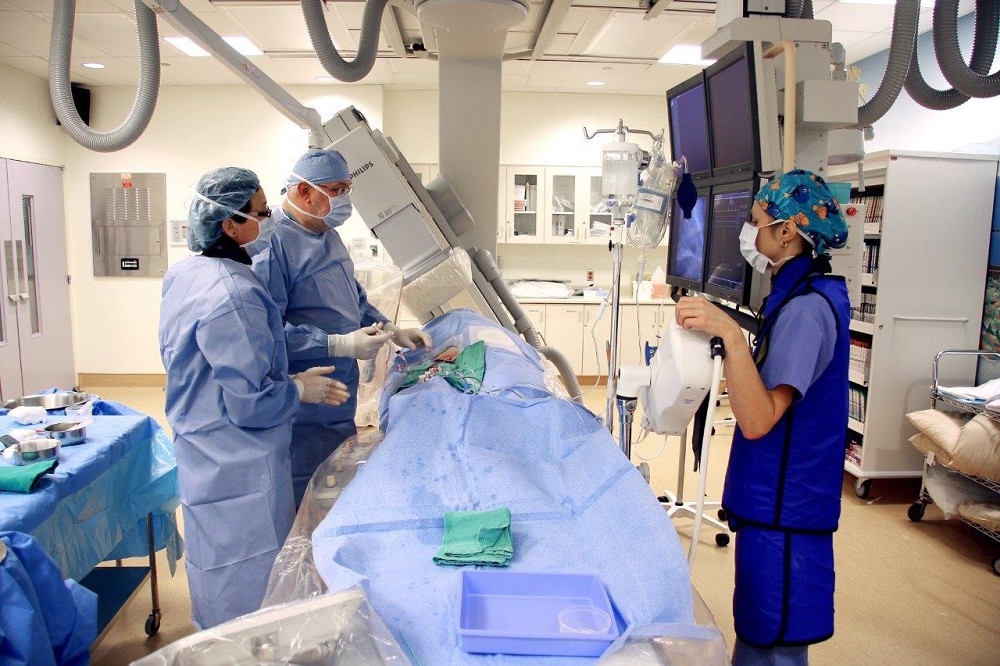
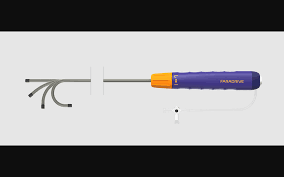
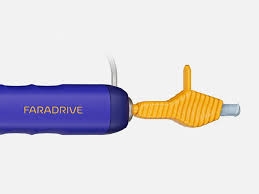
As part of a 15-person R&D team developing a next-generation steerable sheath, I helped drive the development and optimization of the 3-part hemostasis valve assembly - a critical interface that allows electrophysiology catheters to repeatedly enter and exit the sheath while maintaining a reliable seal. I led engineering investigations, defined component requirements, and worked directly with component suppliers to turn performance needs into manufacturable, verified designs.
WHY
Existing sheath technology presented an opportunity to improve air management during device exchanges, reducing procedural risk and supporting patient safety - without compromising physician experience.
MY IMPACT
I helped take the valve from clinical need to a manufacturable design. By leading 6+ engineering investigations to understand how design choices such as material, geometry, compression, and component interactions geometry affected sealing performance and usability.
I also participated in pre-clinical studies and physician VOC sessions to evaluate how the design performed in realistic workflows and gather user feedback. These insights guided our design decisions and were ultimately translated into design requirements and specifications.